Before the Storm
Do not drain the pool to make room for rain. Lowering the water level below the skimmer starves the pump of water. If a heavy storm is forecast, remove loose items from the deck and make sure the skimmer basket is empty so it has capacity.
Check that your chlorine is at the upper end of range going into a storm. The debris and dilution that follow will consume a lot of it.
After the Storm
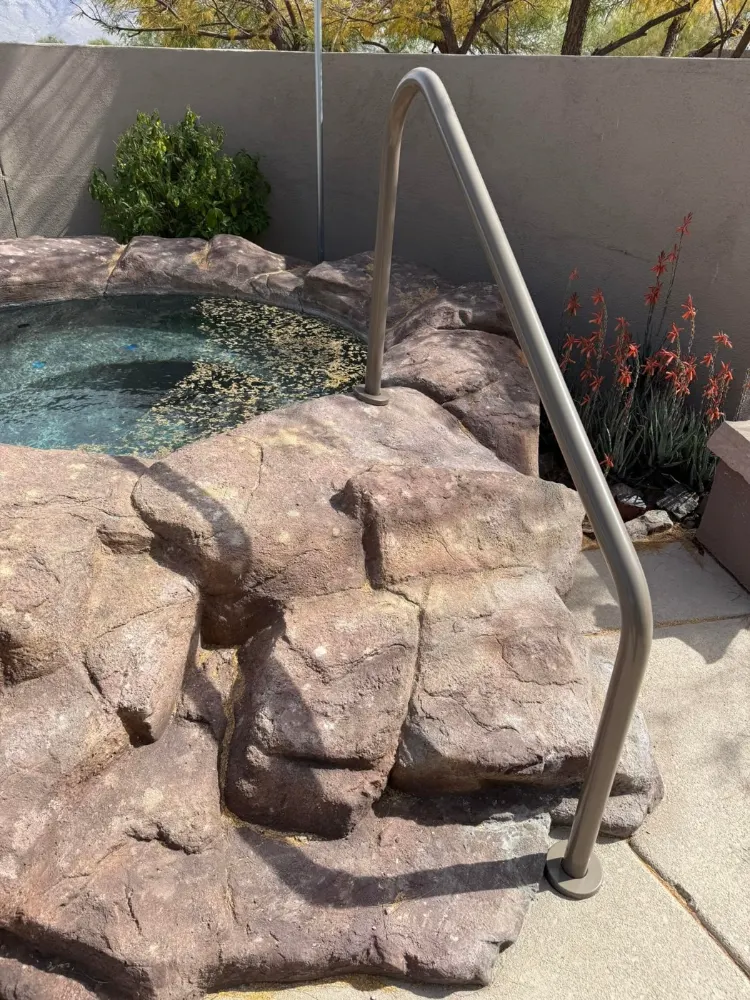
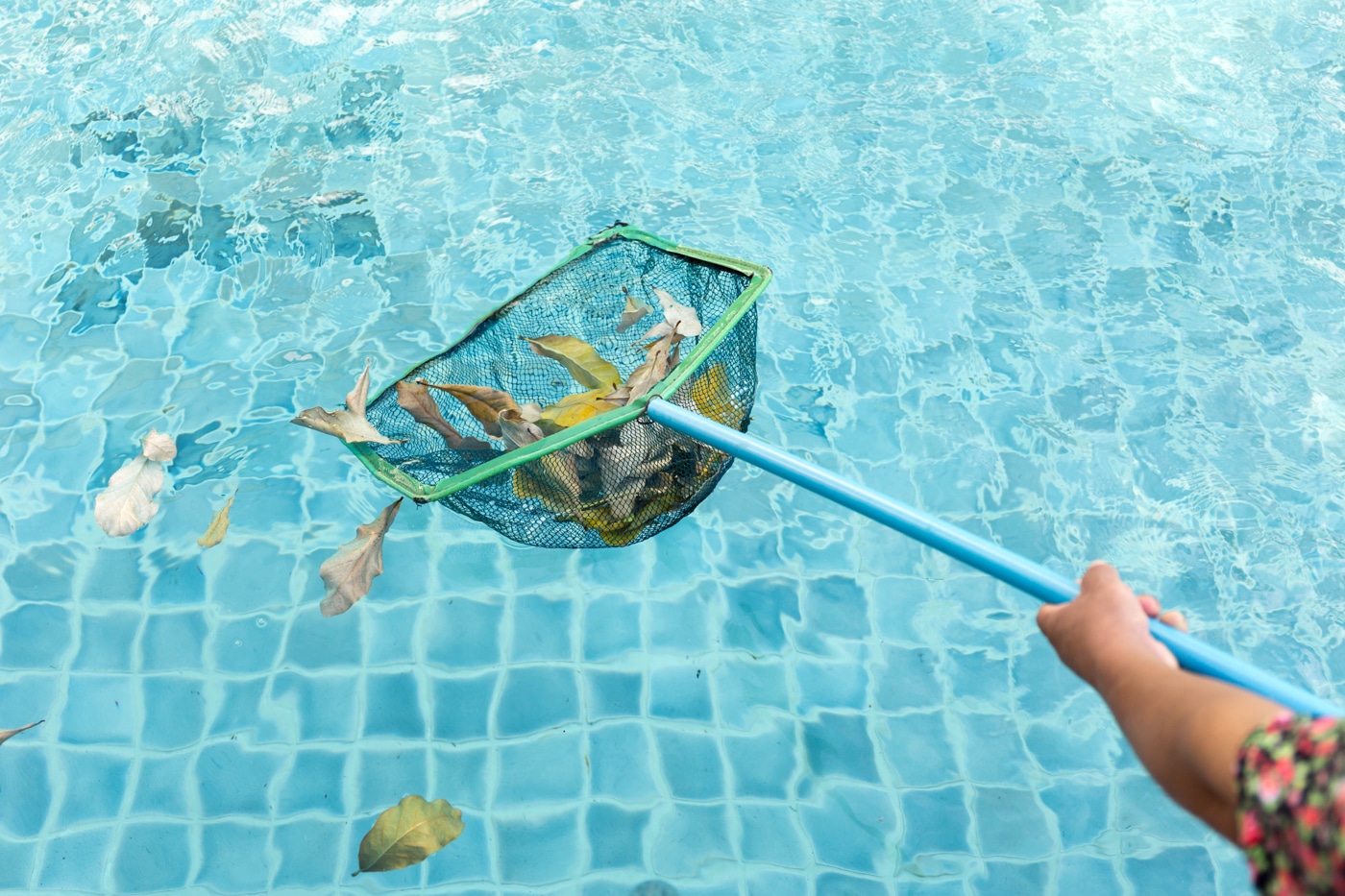
Skim the surface as soon as it is safe. Organic debris starts breaking down and feeding algae within hours. Empty skimmer and pump baskets, since a basket packed with leaves can restrict flow enough to trip the pump.
Check the water level. Overflow is fine, but if the level is high, let it drop naturally or drain a small amount to the waste line.
Chemistry After a Monsoon
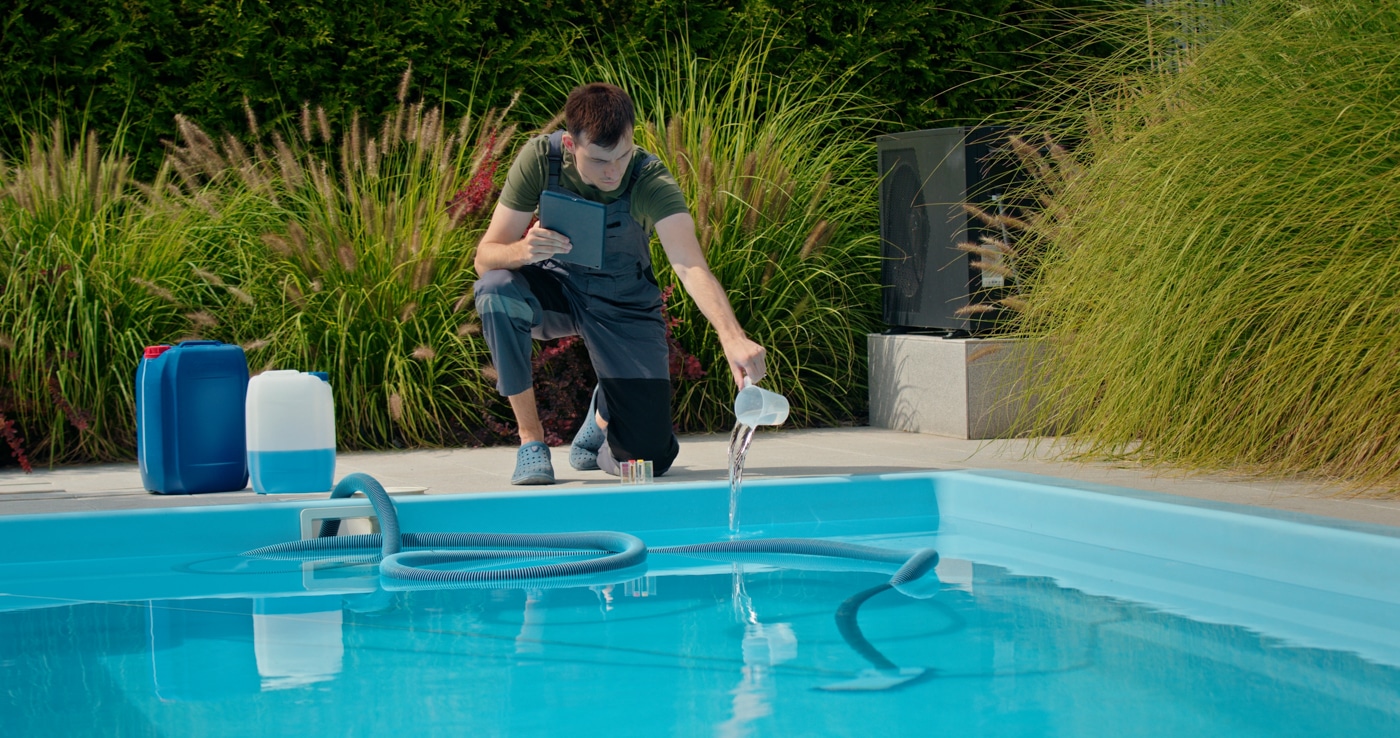
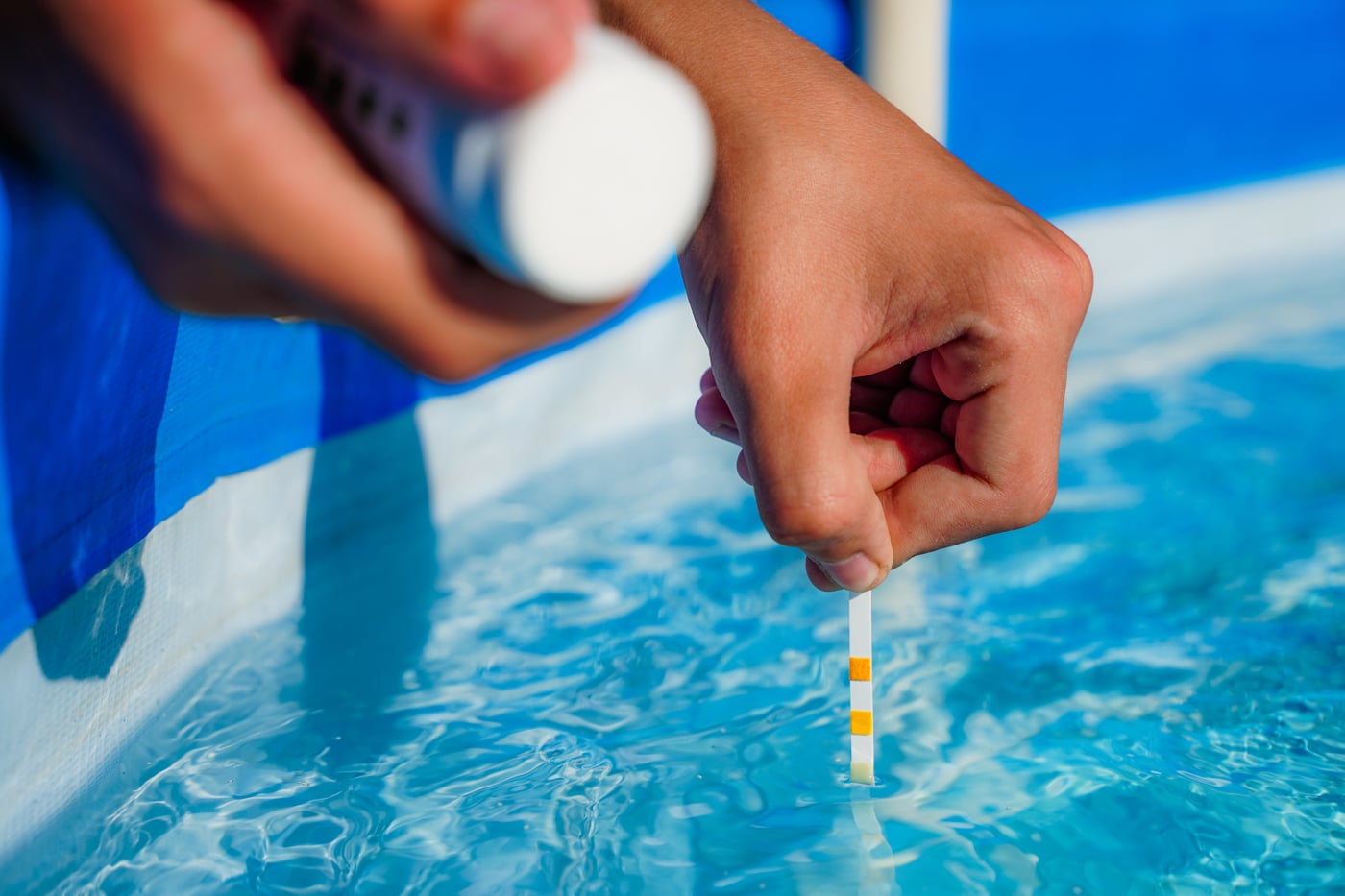
Rain dilutes the water and dust brings phosphates and alkalinity swings. Expect chlorine to be low and pH to have moved. Test and rebalance within a day or two, not at the next scheduled visit if that is a week away.
On our weekly route we adjust the schedule around major storms so pools are addressed quickly. Recovery visits are part of getting you through the season.
The Equipment Check
Look for water where it should not be around the equipment pad, listen for new pump noises and check the filter pressure. Storm debris that reaches the filter raises pressure fast and cuts circulation.
A filter clean after a heavy debris event is usually the best money you spend all monsoon.
Key Takeaways
- Never drain below the skimmer ahead of rain.
- Skim and empty baskets within hours of a storm.
- Rebalance chemistry in a day or two, not a week.
- Check filter pressure after heavy debris.